After death: exploring Queensland lives through cemeteries, burial and funeral records
By Elli Torres, Librarian, Information and Client Services | 3 August 2026
Every life leaves a trace. Across Queensland, cemeteries, burial records, and funeral notices preserve the stories of individuals, families, and communities. From headstone inscriptions and cemetery registers to newspaper notices and cremation records, these sources help piece together the details of lives once lived.
Cemeteries as historical records
Cemeteries provide valuable insight into the lives of individuals, families, and communities. For family historians, they often help connect generations and fill gaps in historical records, especially when combined with other sources.
Cemetery information appears in several forms, ranging from what is visible on the headstone to a range of administrative records created behind the scenes. Together, these sources provide both personal details and practical information about burial locations and arrangements.
These records can include:
- headstones – names, dates, family relationships, and inscriptions
- burial registers – details of who was buried, when, and where
- plot or cemetery registers – ownership and use of burial plots
- cemetery maps – location and layout of graves
- death/funeral notices and obituaries - announcements of death, funeral, and family information
- interment records – details of the burial process
- funeral director records – arrangements and service information
- permits or application forms – documentation for burials or plots
Used together, these sources provide a more complete picture of both individual lives and burial practices over time.
Many of these record types are held within State Library of Queensland’s collections.
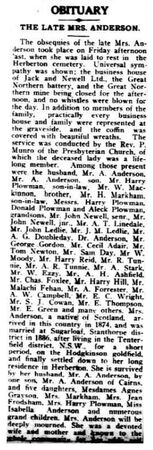
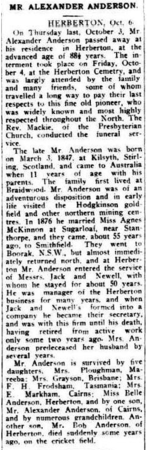
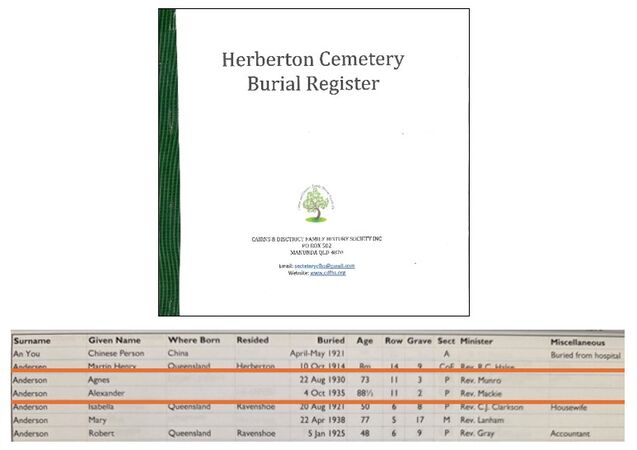
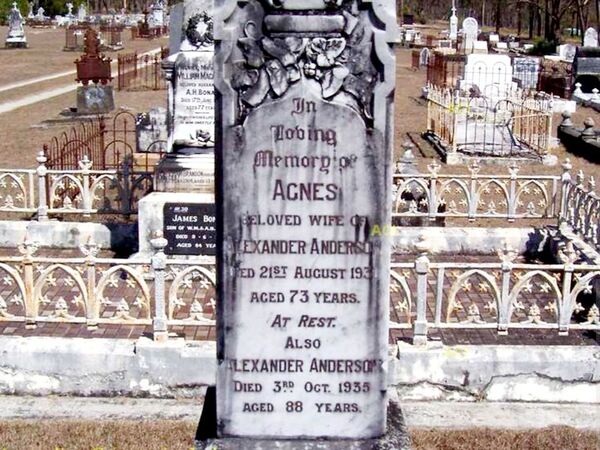
Headstone for Agnes and Alexander Anderson at Herberton General Cemetery
Crematorium records
Cremation has become increasingly common in Queensland since the early twentieth century, making crematorium records an important, though sometimes overlooked, source for family history research.
These records can include cremation registers, application forms, and memorial or ashes records. These records will note key details such as the date of cremation, the person arranging the service, and the intended placement of ashes. In cases where there is no headstone, they may actually provide the only formal record of a person’s final arrangements.
While State Library holds some published and contextual material relating to cremations, original crematorium records are usually maintained by local councils or crematorium operators.
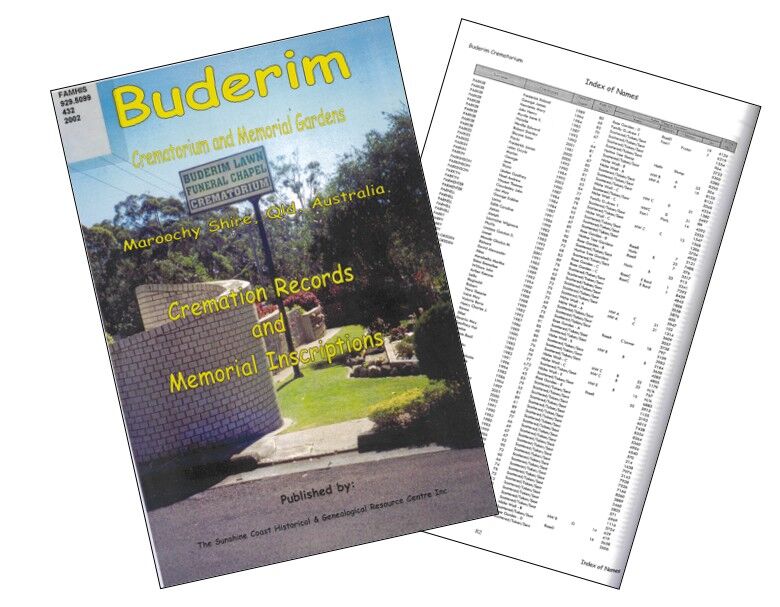
Cremation records and memorial inscriptions, 2002.
Cemetery research at State Library
Researchers can access a wide range of cemetery-related materials, including published transcriptions and local history resources documenting headstones and burial registers across the state.
Many of these works were compiled by local history and family history groups who transcribed inscriptions and burial details to preserve information that may otherwise be lost. These publications are especially valuable when headstones have deteriorated, or cemeteries are difficult to access.
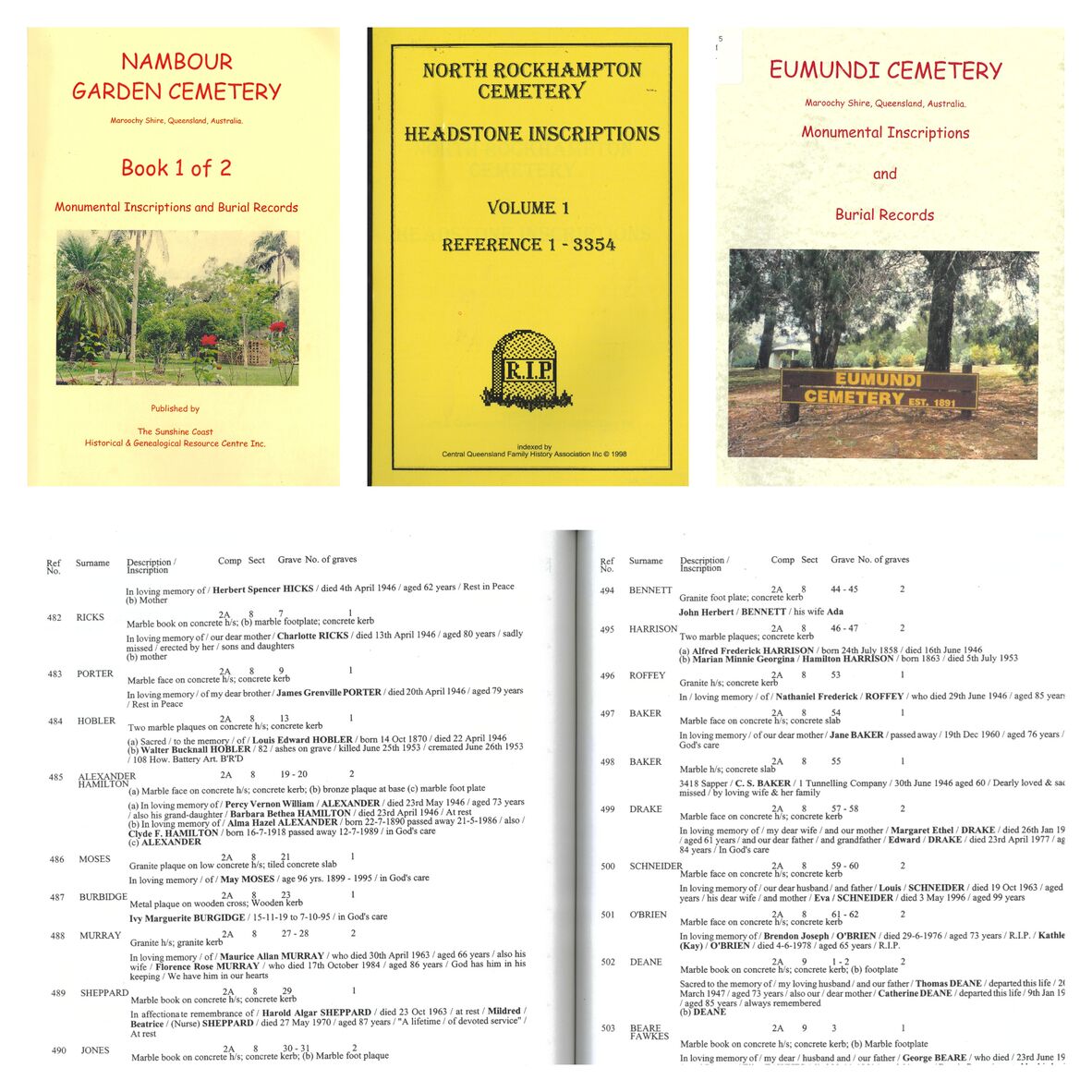
Selection of monumental inscription books from the collection.
Historical burial practices and church records in Queensland
Burial practices in Queensland varied widely in the nineteenth century, reflecting early settlement patterns, distance, and religious differences. Many burials were managed locally, and information is often scattered rather than centrally held.
As a result, details about early burials may appear in church registers, denominational archives, newspapers, or local history publications rather than official cemetery databases. Church burial registers are particularly important for this period, often noting the name of the deceased, burial date, age, and parish. Many early burials also took place in churchyards or small community cemeteries before municipal cemeteries were established.
In Queensland, burial records may be preserved in denominational archives, which hold information about congregations across the state. Access to these collections can sometimes be restricted, but some of these materials or related records can also be found through public institutions.
State Library holds a range of archival resources that include church and parish records, such as material from the Uniting Church in Australia, Synod of Queensland records. These often provide the same key details, including name, burial date, age, and parish. They are invaluable for tracing individuals and understanding community and family connections over time.
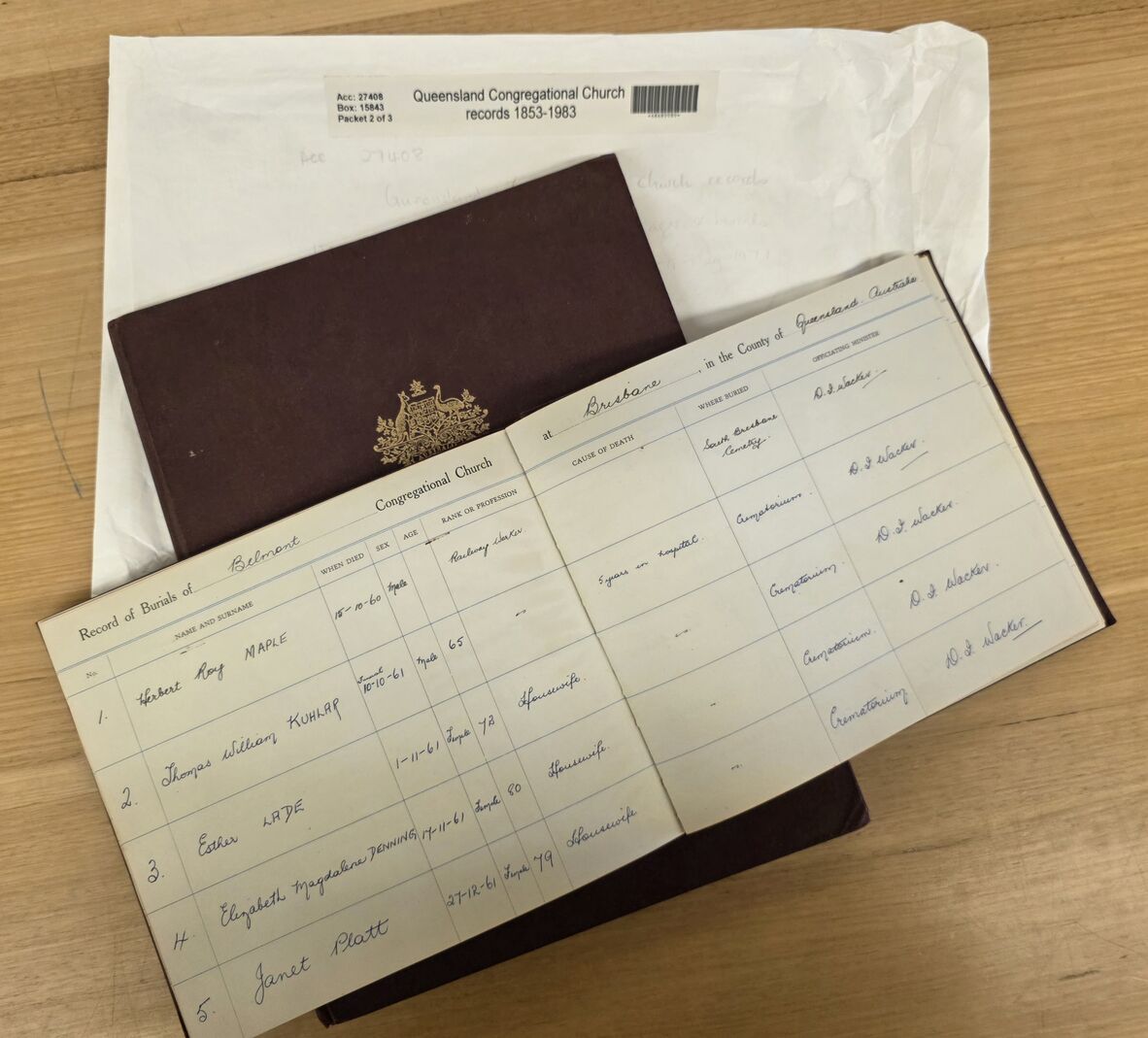
Queensland Congregational Church records 1853-1983.
Newspapers and funeral notices
Newspapers are another important resource for cemetery and family history research. Historical newspapers often contain funeral notices, obituaries, and reports of funerals, which can reveal family relationships, community connections, and the final resting place of the deceased.
Many Queensland newspapers are available digitally through Trove for earlier dates, making them easily searchable for names and dates. Queensland newspapers and the main interstate newspaper titles are held by State Library and can be accessed via microfilm in the level 3 reading room. Newspapers can provide valuable information about funerals, burial locations, and family networks.
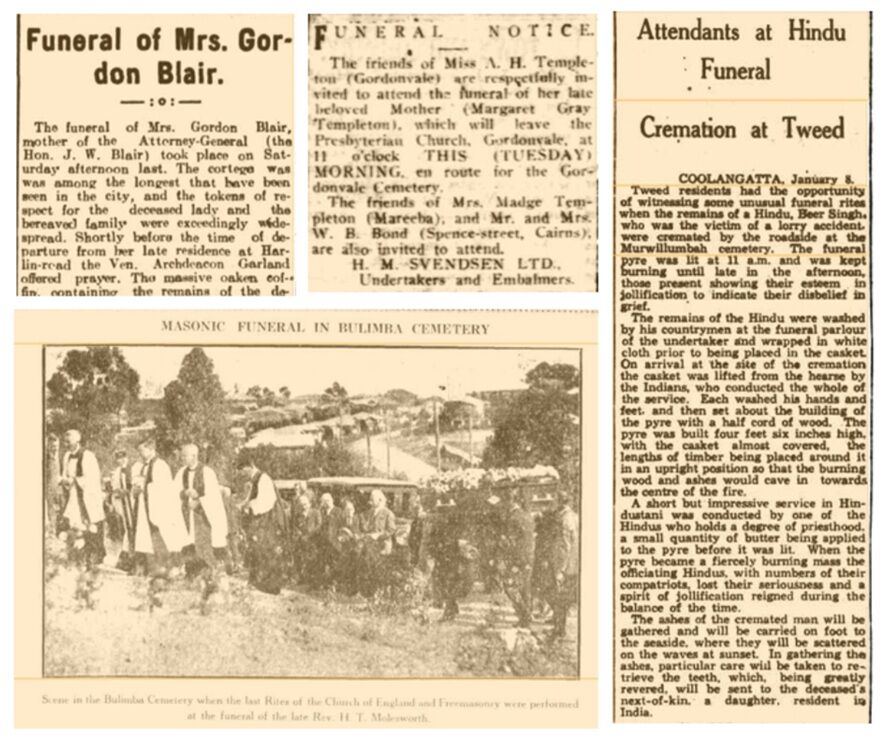
A selection of notices, articles and images related to funerals and cremations.
Major historic cemeteries in Brisbane
Queensland is home to many historic cemeteries that reflect the state’s settlement and development. Some of the most well-known burial grounds include Toowong Cemetery, South Brisbane Cemetery, and Nundah Cemetery. These cemeteries contain the graves of early settlers, prominent community members, and thousands of everyday Queenslanders whose lives shaped local history.
You can explore historical photographs of cemeteries via State Library’s online catalogue, One Search, as well as many books about the history of Queensland cemeteries. You might even like to read about the haunted cemeteries of Queensland.
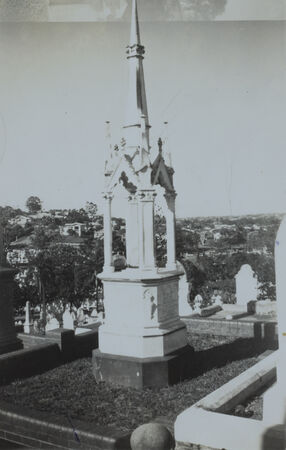
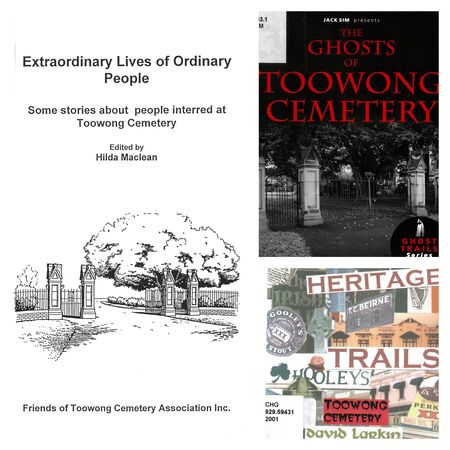
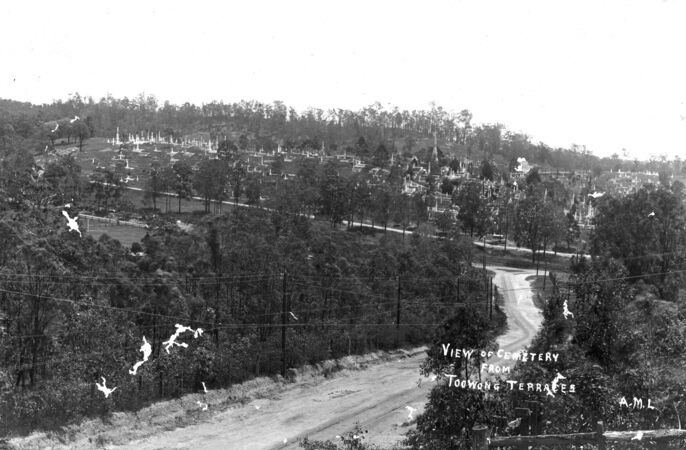
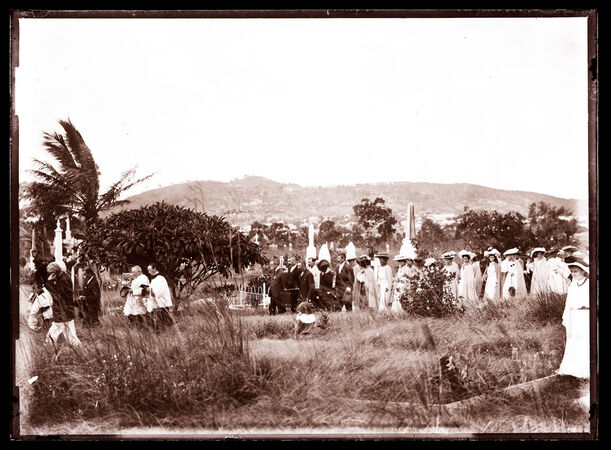
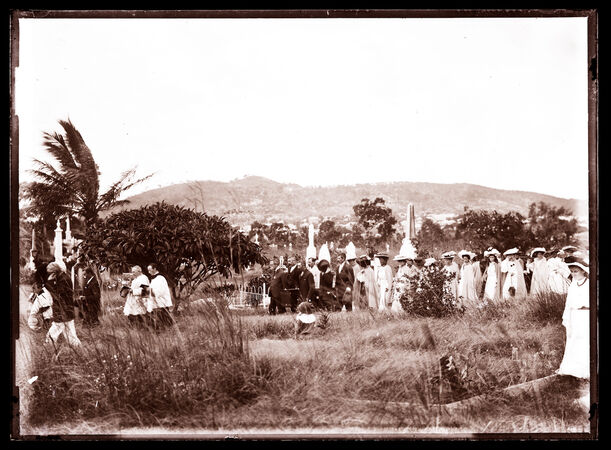
View of the Toowong Cemetery, Brisbane, ca. 1895
Regional Queensland cemeteries
Beyond Brisbane, Queensland’s regional cemeteries also provide rich insights into local history. Burial grounds in towns such as West End Cemetery, Martyn Street Cemetery, and Drayton and Toowoomba Cemetery, reflect the development of communities across the state.
Transcriptions of inscriptions from regional cemeteries have often been compiled by local family history groups. For example, works such as Gympie Cemetery: transcription of headstones, produced by the Gympie Branch of the Genealogical Society of Queensland, record memorial inscriptions and burial information that may otherwise be difficult to access. Many of these publications are available in the collections of State Library and provide valuable resources for researching families who lived outside the capital city.
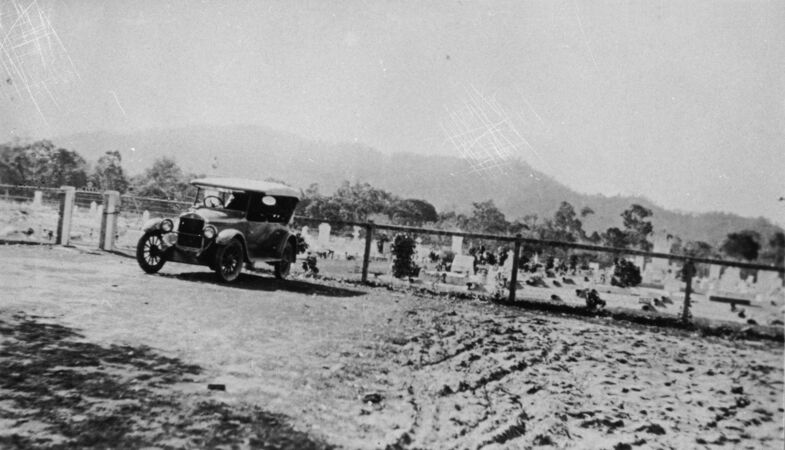
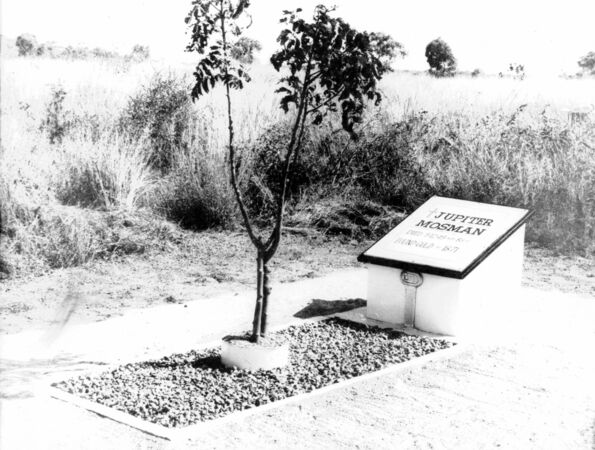
Grave of Jupiter Mosman, Charters Towers
Online cemetery databases
Many cemeteries across Queensland are supported by local council databases that allow researchers to search for burial records, locate graves, and access interment details. These are official, council-managed databases covering specific cemeteries within their region.
Key cemetery databases include:
- Brisbane City Council – Grave or memorial location search
- Toowoomba Regional Council – Deceased search / grave location search
- Ipswich City Council – Deceased records search
- Gold Coast City Council – Deceased search
- Sunshine Coast Council – Locating family in our cemeteries
- Fraser Coast Regional Council – Cemetery online
- Rockhampton Regional Council – Burial indexes
- Mackay Regional Council – Burial register
- Gympie Regional Council – Deceased search
In addition to these, there are also aggregate cemetery databases, platforms that bring together burial records from multiple cemeteries, regions, and sometimes countries into a single searchable site.
Key websites include:
These sites are a great starting point when you’re beginning cemetery research, especially if you’re trying to quickly locate a burial or gather details. However, it’s important to remember that much of the information is crowd-sourced, so it may be incomplete or inaccurate. For this reason, it’s best to double-check details against official cemetery records, such as council burial registers or other primary sources where available.
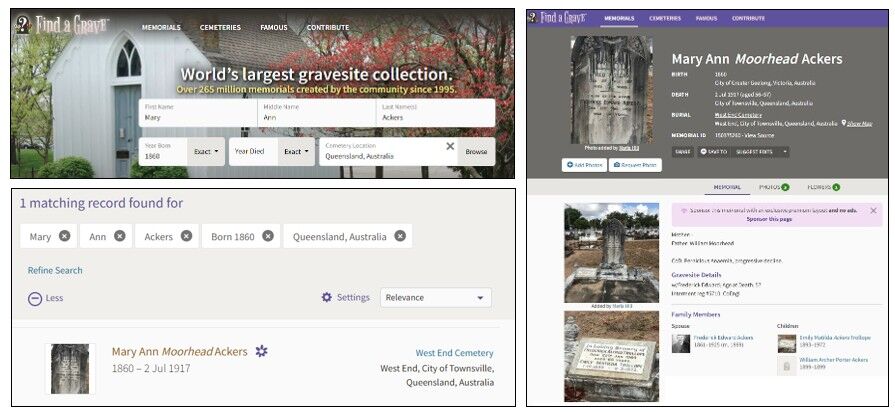
Mary Ann Moorhead Ackers, Find a Grave, https://www.findagrave.com/
Discovering Queensland’s past through cemetery records
Cemetery records are an important gateway to understanding Queensland’s past. By combining the resources available at the State Library with records held by archives, local councils, churches, and online databases, researchers can uncover valuable information about their ancestors and the communities in which they lived.
For family historians, local researchers, and anyone interested in Queensland’s history, cemeteries provide a rich and often overlooked source of historical evidence.
More information
Family history research guides - https://www.slq.qld.gov.au/collections/family-history/family-history-research-guides
Dearly Departed: death in life - https://www.slq.qld.gov.au/dearlydeparted
Ask a librarian - https://www.slq.qld.gov.au/services/ask-librarian
One Search - https://onesearch.slq.qld.gov.au
Comments
Your email address will not be published.
We welcome relevant, respectful comments.