Faces of Forgotten Australians: We are still here
By Katie McGuire, guest blogger | 9 September 2026
Faces of Forgotten Australians begins with a simple but powerful act: looking directly at another person and recognising that their life matters.
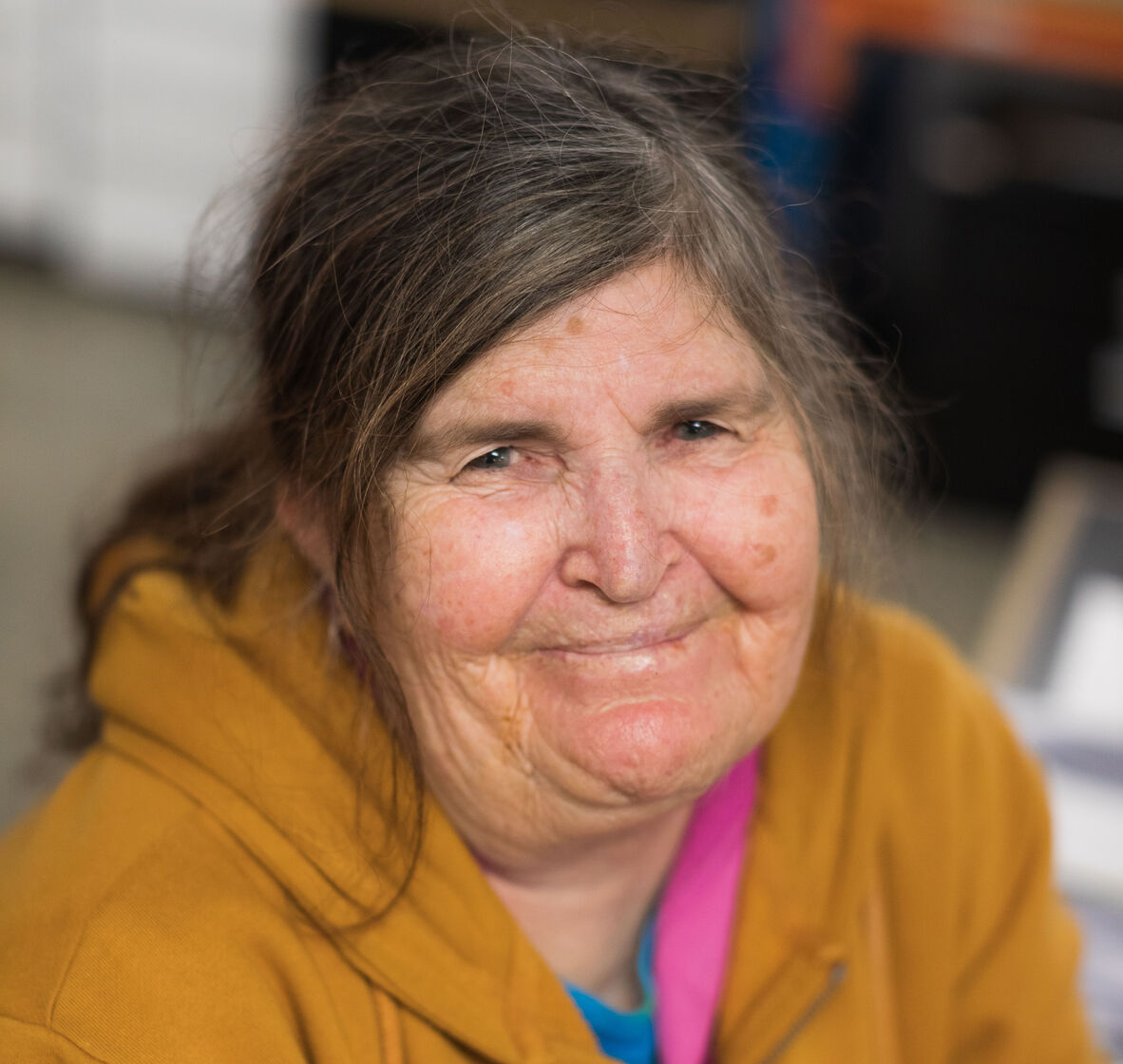
Colleen Stevenson
The exhibition brings together a selection of 20 photographic portraits by Colleen Stevenson from 47 works acquired by State Library of Queensland. Beside each face are words chosen by the person pictured, their memories, experiences and reflections they want carried forward. This matters because Forgotten Australians have so often been represented through systems that failed them: institutional records, redacted files, inquiries, legislation and statistics. Colleen’s portraits return the focus to the people themselves. 'We’re not a piece of paper, we’re not a number, we’re not even the legislation, we are these people, these are the Faces of the Forgotten Australians.'
More than 500,000 Australians experienced institutional or other forms of out-of-home care during childhood in the twentieth century. They include Australian-born non-Indigenous and Indigenous children and Former Child Migrants. Children were placed in care for many reasons, including poverty, illness, family crisis and social prejudice. Many were separated from parents, siblings, culture and community. In institutions, children’s homes, foster placements and other settings, many experienced neglect, exploitation and abuse. What happened did not remain in childhood. Its effects have continued across lives, relationships, families and generations.
Colleen understands this from the inside. She is a Forgotten Australian who lived at St Joseph’s Home, Neerkol. She knows what it means to be separated from family and made to feel unimportant. She also knows the importance of being seen, heard and believed. Colleen’s portrait project grew from this history, bringing together her artistic practice, her lived experience, her advocacy and her long commitment to the Forgotten Australian community.
Lotus Place, a Micah Projects service supporting Forgotten Australians and Former Child Migrants in Queensland, helped Colleen bring the project together, connect with participants and support people to develop the words accompanying their portraits. The project has also been supported through Colleen’s long involvement with Access Arts. Most importantly, it has been made possible by the people who trusted Colleen with their faces and stories.
These portraits do not ask us only to witness suffering. They ask us to recognise lives in their fullness. There is loss, anger and trauma here, but also love, humour, creativity, family, friendship, survival and the determination to make things better for others. The people pictured are not simply survivors of institutions. They are parents, grandparents, artists, advocates, workers, friends and members of communities. They are people who have continued to create meaning and connection despite what they endured.
Colleen says, 'We were put in those places – out of sight, out of mind. I would like us to not be invisible, as we usually are. I want us to be heard, because we are not going to stop speaking up.'
That is what the portraits do. They place people who were hidden back within public view, not as anonymous children from a closed chapter of history, but as living people whose experiences remain part of Queensland today.
Many Forgotten Australians are now ageing. Some have already died without having their stories properly heard or preserved. State Library’s acquisition of these portraits ensures that their faces and voices become part of Queensland’s continuing cultural memory. The exhibition also asks us to consider our responsibility to children now. Remembering the past is not enough unless it changes how we listen, how we care and what we are prepared to prevent from happening again.
Colleen’s message is direct: 'We are still here.'
View the 47 portraits and read each participant’s story in their own words.
Comments
Your email address will not be published.
We welcome relevant, respectful comments.